What this hexagram is about
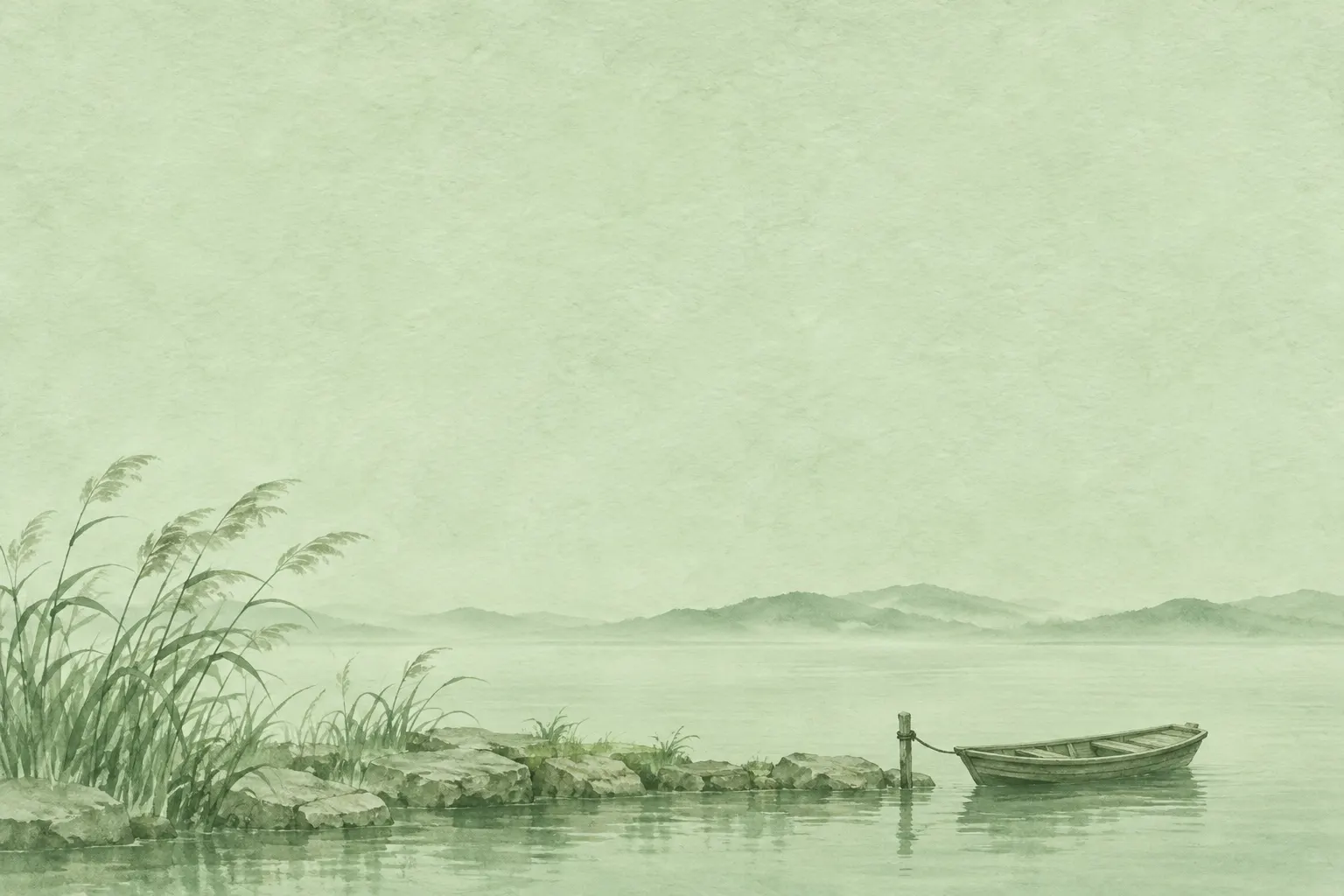
I Ching hexagram 36, Injured Light, is about what happens when your brightness gets pushed down and you have to keep shining from a hidden place. The name in Chinese is 明夷, which means injured or wounded light, and the picture the two trigrams make together tells the whole story. The upper trigram is Earth, the lower trigram is Fire, so you have fire burning underneath the ground instead of rising openly into the sky.
That image is the heart of the situation: your light is still there, still warm and alive, but it cannot blaze in public. Something around you, some person or set of circumstances, has pressed down on what you know to be true or good. The fire does not go out, it just has to find its way through soil and stone. This is a moment for patience, for keeping your own counsel, and for understanding that being hidden does not mean being defeated. The light is injured, not killed.
The Judgment in plain words
The Judgment says, "It is favourable to hold steady through hardship." That is the whole message in one breath. When your light is hurt and your situation feels dark, the useful thing is not to fight loudly or force your way out, but to hold steady, to stay true to what you know inside, and to accept that the hardship itself is part of the path. The word "favourable" matters: this is not about gritting your teeth forever, it is about recognizing that steadiness right now is what actually works.
The phrase breaks down simply. "Hold steady" means do not waver, do not abandon your own sense of what is right just because the world around you seems to have gone dim. "Through hardship" means the difficulty is not a mistake or a detour, it is the very ground you are walking on. If you can stay upright in this, the hardship does its work on you, it sharpens you, and the light inside keeps burning. The Judgment does not promise an easy exit. It promises that steadiness is the way through.
The Image
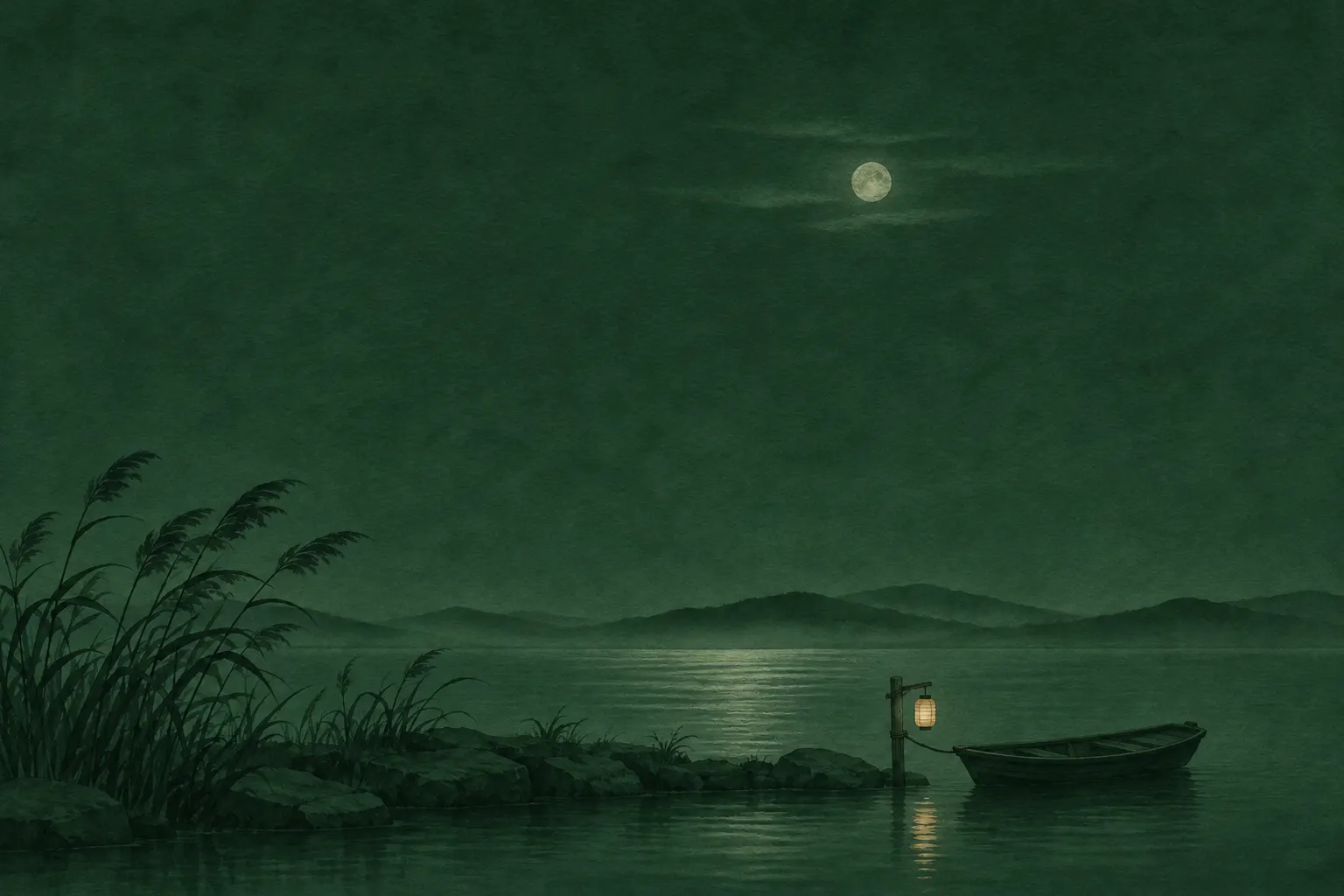
The Image shows light sinking into the earth. Fire under ground, a sun that has gone below the horizon, a lamp buried in the soil. That is the scene: brightness is present, but it is covered. The classical text says the noble person, in governing the crowd, keeps his brightness hidden while still shining within. For you today, that might look like staying quiet in a meeting where the wrong idea is winning, or keeping your integrity at a job where shortcuts are praised, or loving someone who cannot yet receive your full honesty.
The answer the Image gives is not to dig the fire up and wave it around. It is to govern, to manage your own life and your influence over others, while keeping your brightness hidden. You still shine, but you shine inward, in your choices, in the small ways you refuse to go dark. You use the cover of the earth as protection, not as a prison. The light does its work from underneath, slowly warming the ground above it.
The six lines
Line 1, 初九, shows injured light flying with its wings lowered. You set out on a path and go three days without eating, meaning you leave behind comfort and ordinary support. Wherever you go, your host has complaints against you. This is the moment of departure, and it costs you. People around you do not understand, they grumble, they question why you are moving at all. The warning is not to expect applause. The task is to keep moving anyway, with your wings low to avoid the wind.
Line 2, 六二, says injured light is hurt in the left thigh, but rescue comes with a strong horse, and that is good fortune. The injury is real but not fatal, it slows you down without stopping you. The strong horse is help that arrives from outside, a friend, a resource, a sudden turn in circumstances. This line asks you to accept that help when it comes, not to insist on walking wounded when a mount is offered.
Line 3, 九三, goes hunting in the south and takes a great chief among the game. This is the line of action, of finally striking at the source of the darkness. But the text adds a caution: do not be quick to hold steady. Once you have won a real victory, the temptation is to relax, to declare the hardship over. This line says the opposite, keep your discipline, do not rush to settle.
Line 4, 六四, enters the left belly and gets at the heart of the injured light, then leaves through the gate of the courtyard. You get close to the core of the problem, you understand what is really going on, and then you walk out. The insight is not for staying, it is for leaving. You see the truth, and you use it to remove yourself from the situation.
Line 5, 六五, names Jizi, remembered for keeping his inner light through a dark reign. The text says it is favourable to hold steady. This is the line of survival through disguise, of being in the world but not of its darkness. You keep your brightness hidden, and that is not cowardice, it is wisdom.
Line 6, 上六, is the darkest line: not bright but dark. First it climbs up into heaven, later it falls into the earth. This is what happens when darkness itself takes the top position, when the thing that injured the light now rules openly. The climb and fall are images, not fixed outcomes. The warning is that what rises on false brightness falls into real darkness, and the best you can do is not be standing under it when it comes down.
When it comes up in your cast
When this hexagram answers your question, it is telling you that your situation has more pressure on your light than you may have admitted. In love, it suggests you are holding back part of yourself because the other person, or the relationship itself, cannot yet receive it. In work, it points to a place where your honesty or your talent is being covered over, and the wise move is not to quit loudly but to keep your brightness hidden while you wait for the ground to shift. In a decision, it asks whether you can hold steady through hardship rather than forcing a quick answer.
If some lines moved in your cast, read their texts closely, they point to the specific part of the situation that is in motion. Those moving lines also turn your reading into a second hexagram, which shows the direction the situation is tending toward. For this hexagram, the inner hexagram is 解, Loosening, which suggests that the tightness you feel now has a release ahead of it, knots can come undone.
The I Ching is for reflection and entertainment. It helps you look at your question from a new angle, but it does not decide for you. Injured Light asks you to keep your own flame steady, to trust that hidden light still warms, and to let the hardship shape you without putting you out. That is the whole work of this hexagram, and it is yours to do.
The Judgment
利艱貞。
It is favourable to hold steady through hardship.
The Image
明入地中,明夷;君子以蒞眾,用晦而明。
Light has sunk into the earth: this is Injured Light. The noble person, in governing the crowd, keeps his brightness hidden while still shining within.
The lines
Line 1 初九
明夷于飛,垂其翼。君子于行,三日不食,有攸往,主人有言。
Injured light is flying, and it lowers its wings. The noble person sets out and goes three days without eating. Wherever he is going, his host has complaints against him.
Line 2 六二
明夷,夷于左股,用拯馬壯,吉。
Injured light is hurt in the left thigh. Rescue comes with a strong horse. Good fortune.
Line 3 九三
明夷于南狩,得其大首,不可疾貞。
Injured light goes hunting in the south and takes a great chief among the game. Do not be quick to hold steady.
Line 4 六四
入于左腹,獲明夷之心,于出門庭。
It enters the left belly and gets at the heart of the injured light. It leaves through the gate of the courtyard.
Line 5 六五
箕子之明夷,利貞。
The injured light of Jizi. It is favourable to hold steady.
Line 6 上六
不明晦,初登于天,後入于地。
Not bright but dark. First it climbs up into heaven; later it falls into the earth.