What this hexagram is about
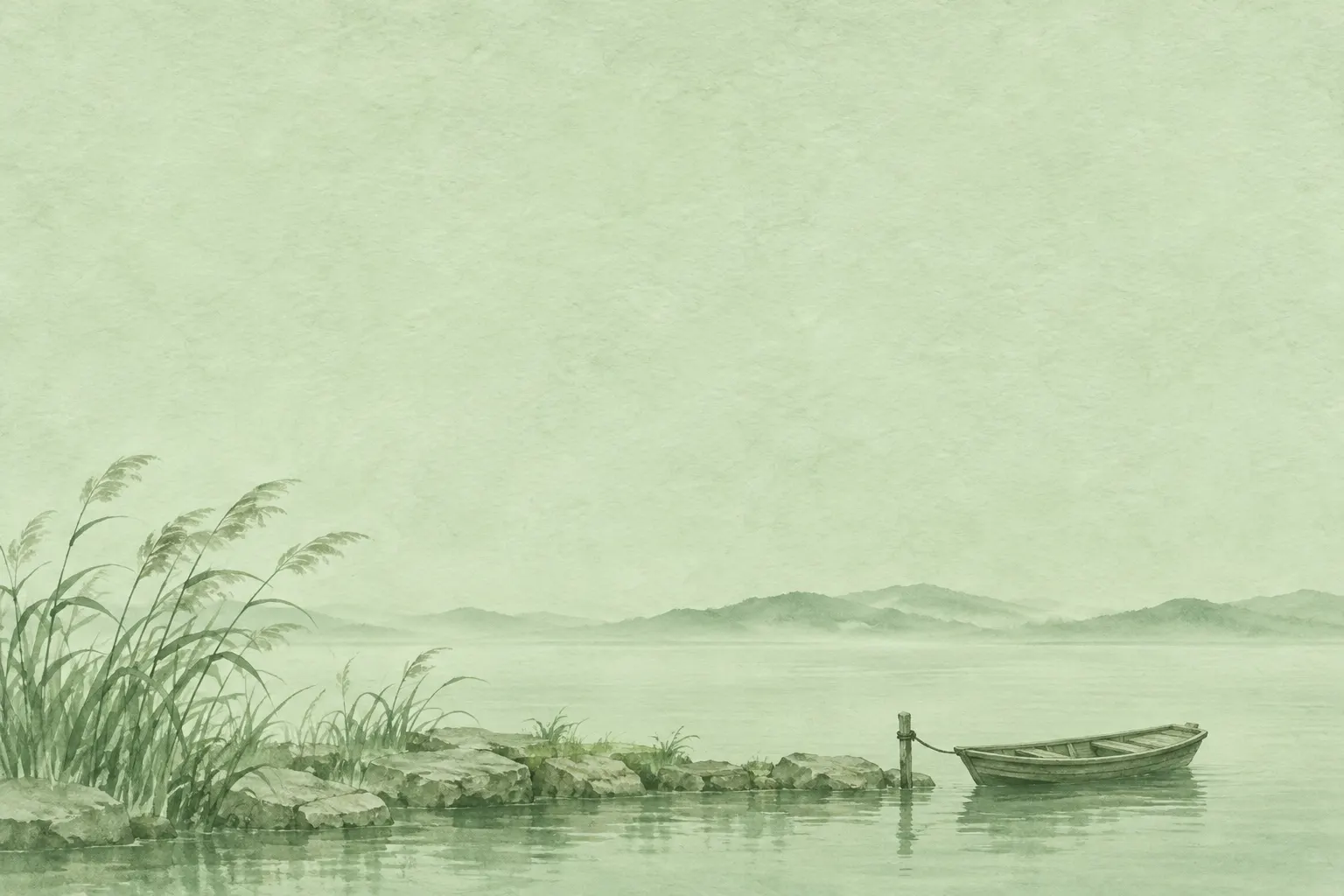
Hexagram 4, Untaught Youth, is about the raw, open state of not knowing. The Chinese name is 蒙, which means covered, ignorant or young. The upper trigram is Mountain, a solid mass that blocks and holds. The lower trigram is Water, a spring that rises and finds its way. Mountain over water: a spring at the foot of a slope, pushing out from under the earth. That picture is the whole hexagram. You have something fresh and unformed inside you, but it is still underground, not yet a stream.
This hexagram is not about stupidity. It is about the beginning of learning, the moment before you understand. A young person or a beginner has no shame in not knowing. The trouble comes when you pretend to know, or when you refuse to be taught. The mountain is patient, the water is persistent. Together they say: let the learning come from the inside, but let the outside guide it. You do not force a spring; you clear the ground and let it rise.
The Judgment in plain words
The Judgment says: Success. I do not seek the young and ignorant; the young and ignorant seek me. When someone asks once, I answer. When they ask again and again, that is disrespect, and I do not answer. It is favourable to hold steady.
This is about the right way to ask. If you want to learn, you have to come to the teacher, not wait for the teacher to come to you. The question has to be yours, not borrowed. And you ask once, sincerely. If you keep asking the same thing over and over, you are not listening. You are trying to get the answer you want, or you are not ready to hear. The I Ching, or any real teacher, will go quiet. That silence is not punishment. It is a signal: you already have what you need, or you are not ready yet. Hold steady. Stay still. Let the answer settle.
The Image
The Image says: At the foot of the mountain a spring comes forth. That is the picture of ignorance. In this way the noble person acts with resolve and nourishes virtue.
Picture a mountain slope. At its base, water seeps out of the rock. It does not burst; it gathers. The spring is ignorant of the river it will become, but it keeps moving. That is the picture. The noble person sees this and does two things: acts with resolve, and nourishes virtue. Resolve means you do not wait for perfect knowledge before you move. You take the next step, even if you cannot see the whole path. Nourishing virtue means you feed your character while you go. You do not just collect facts. You let the learning shape who you are. For a reader today, that might mean starting the project you are afraid of, or asking the hard question, and letting the process teach you patience and honesty.
The six lines
Line 1, 初六, talks about clearing away ignorance. It is favourable to use punishment to set the law right. Loosening the shackles this way, if one goes on, brings regret. This line means you sometimes need a firm boundary to learn. A child who breaks the rule gets corrected, and that correction frees them from worse trouble. But do not keep punishing. Once the lesson is learned, stop.
Line 2, 九二, says bearing with ignorance brings good fortune. Taking a wife brings good fortune. The son is able to manage the household. This line is about patience. You do not scold the beginner. You accept their slowness and guide them gently. The image of the wife and son is about taking on responsibility and growing into it.
Line 3, 六三, warns: do not take this woman. She sees a man of gold and does not keep herself. Nothing is favourable. This is about someone who is not serious. They chase what glitters and lose their own centre. If you are teaching, do not waste time on someone who will not commit. If you are learning, do not be that person.
Line 4, 六四, says ignorance that is trapped. Regret. This is the worst position. You are surrounded by confusion and cannot find a way out. You do not ask for help, or you do not know how. The regret is real, but it is also a signal: you must reach out.
Line 5, 六五, says youthful ignorance. Good fortune. This is the best line. You are young in spirit, open, ready to learn. You do not pretend to know. That humility brings good fortune because it invites teaching.
Line 6, 上九, says striking at ignorance. It is not favourable to act as a robber; it is favourable to guard against robbers. This is about force. If you try to beat ignorance out of someone, you become the enemy. But if you protect them from false teachers, you help.
When it comes up in your cast
When hexagram 4, Untaught Youth, answers your question, it asks you to look at where you are a beginner. Maybe you really do not know something, and that is fine. Maybe you know but are pretending not to, and that is a problem. The I Ching is for reflection and entertainment: it helps you look at a question from a new angle and does not decide for you. So if this hexagram comes up, ask yourself: am I coming to this question with an open hand, or am I trying to force an answer?
For love, this hexagram suggests a fresh start. You do not know each other yet, or you have to learn each other again. Let the other person come to you. Do not chase. For work, it says you are in the early stages of a skill or a project. Do not rush. Ask for help once and listen. For a decision, it suggests you may need to learn more first. Wait. A spring rises when the ground is clear. If any lines are moving, read them carefully. They point to where the ignorance is most alive. The inner hexagram is Return, hexagram 24, which suggests that after the learning, you come back to yourself. The cycle begins again.
The Judgment
亨。匪我求童蒙,童蒙求我。初筮告,再三瀆,瀆則不告。利貞。
Success. I do not seek the young and ignorant; the young and ignorant seek me. When someone asks once, I answer. When they ask again and again, that is disrespect, and I do not answer. It is favourable to hold steady.
The Image
山下出泉,蒙;君子以果行育德。
At the foot of the mountain a spring comes forth: the picture of ignorance. In this way the noble person acts with resolve and nourishes virtue.
The lines
Line 1 初六
發蒙,利用刑人,用說桎梏,以往吝。
Clearing away ignorance. It is favourable to use punishment to set the law right. Loosening the shackles this way, if one goes on, brings regret.
Line 2 九二
包蒙吉,納婦吉,子克家。
Bearing with ignorance brings good fortune. Taking a wife brings good fortune. The son is able to manage the household.
Line 3 六三
勿用取女,見金夫,不有躬,无攸利。
Do not take this woman. She sees a man of gold and does not keep herself. Nothing is favourable.
Line 4 六四
困蒙,吝。
Ignorance that is trapped. Regret.
Line 5 六五
童蒙,吉。
Youthful ignorance. Good fortune.
Line 6 上九
擊蒙,不利為寇,利禦寇。
Striking at ignorance. It is not favourable to act as a robber; it is favourable to guard against robbers.